From Creators to Entreprenuers: Steadman Global Equips Young Creatives with Business Skills
For Namwanje Aida, walking across the stage in a graduation gown was about more than completing a six-day training. It was a moment that made her reflect on a journey marked by loss, hardship and a determination to keep going.
Namwanje was brought up by her grandmother in Nakifuma, Mukono, after losing her father at the age of six in 2004 and her mother four years later.
Growing up, education was not always within easy reach. But whenever an opportunity presented itself, Namwanje learnt to take it. The latest came through the Business Development Skills (BDS) Boot camp under Steadman Global’s CREATE program.
Held at St. Henry’s College Namugongo from August 31 to September 5, 2026, the six-day boot camp brought together young creatives from different parts of Uganda and beyond, with the aim of helping them move from simply pursuing creative careers to building sustainable businesses around their talents.
The programme was also designed with inclusion in mind, bringing together participants with different abilities and backgrounds, including people with physical and visual disabilities, people living with sickle cell disease and other persons with disabilities.
The participants came from different creative fields, including fashion, writing, acting, film, production, influencing and makeup artistry.
Throughout the training, they were taken through communication, negotiation, budgeting and saving, developing business plans, identifying opportunities and pitching business ideas to potential funders and investors.
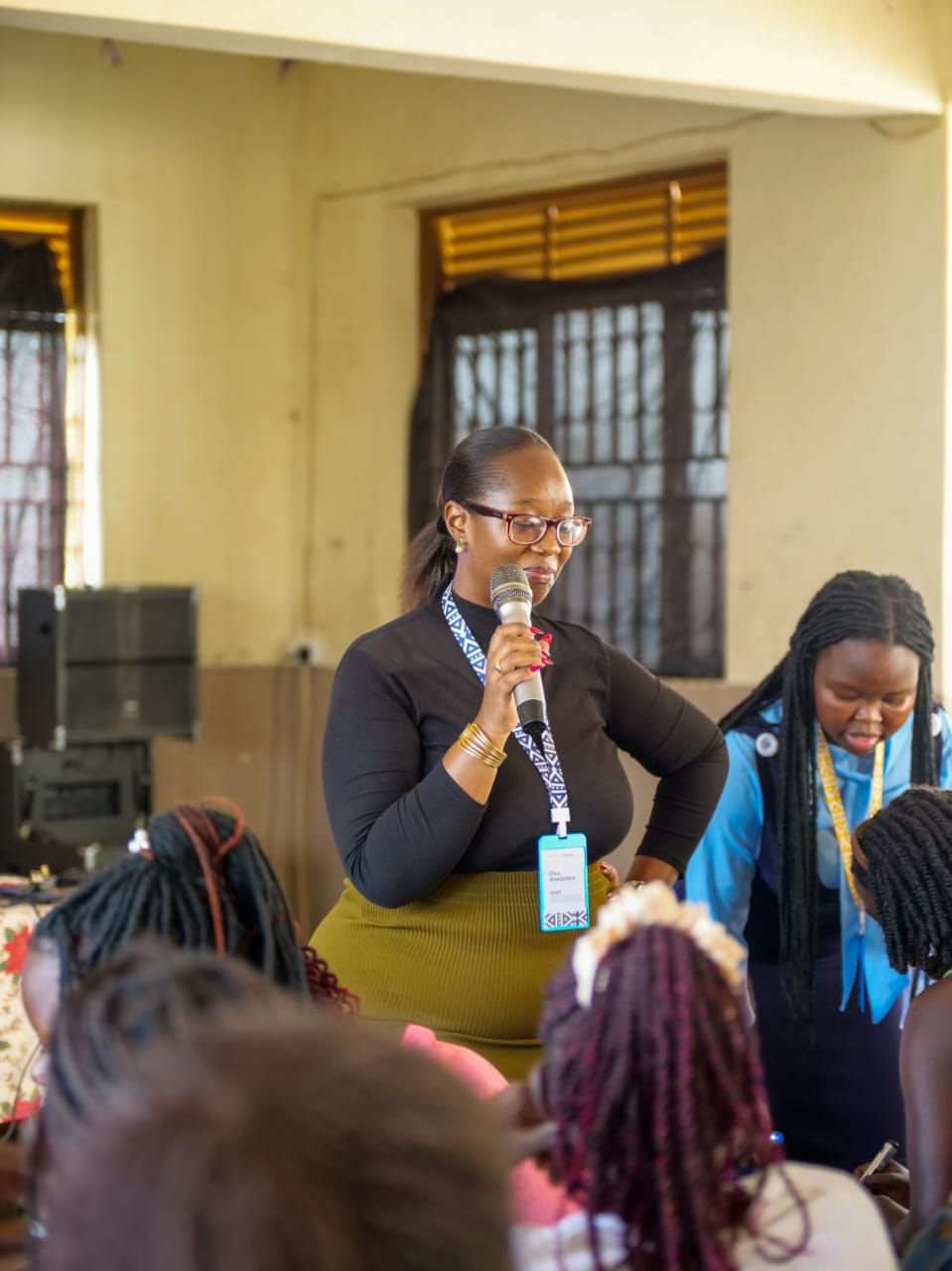
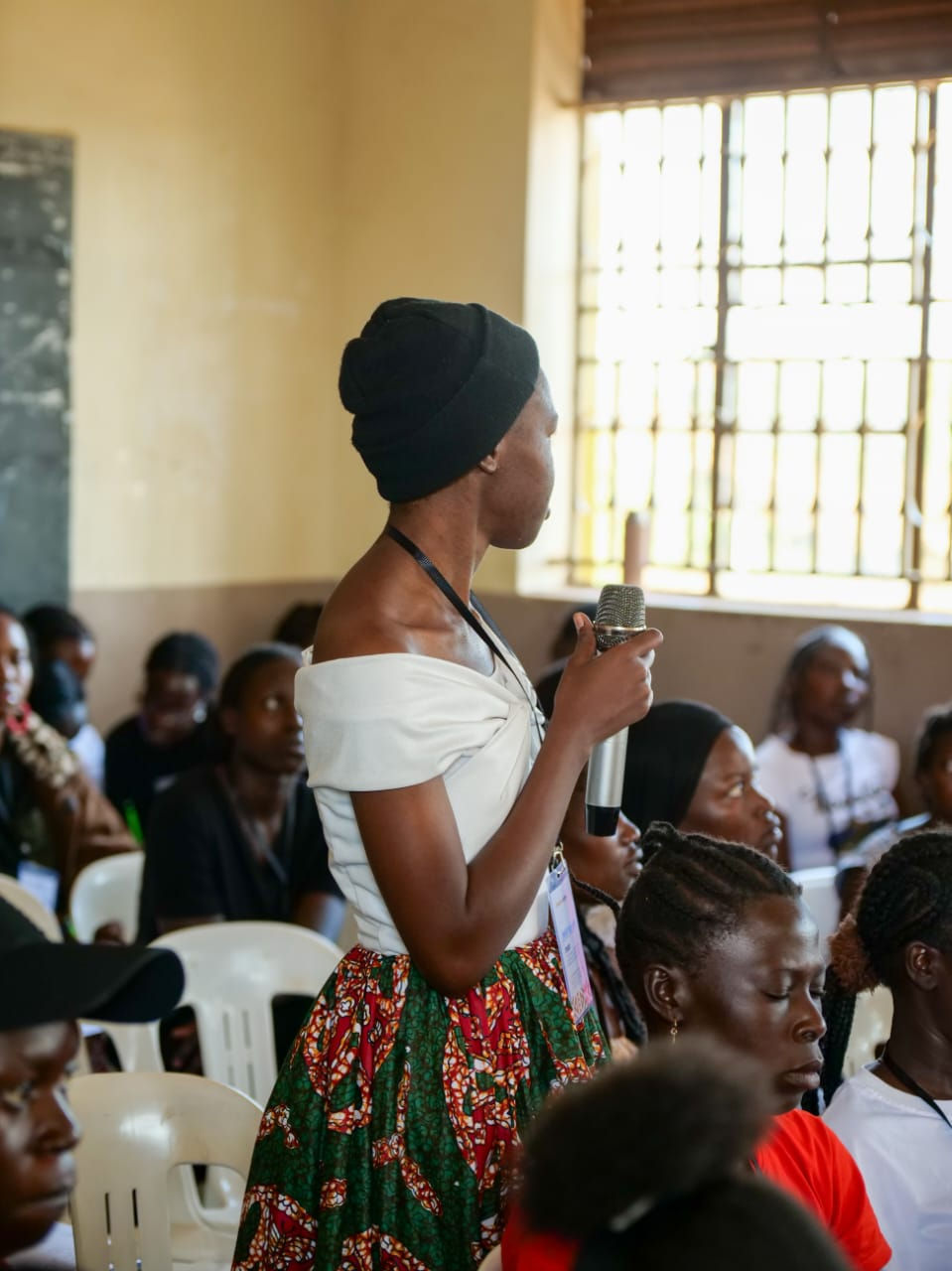

For Steadman Global and its partners, however, CREATE is intended to go beyond a single week of training.
Speaking to participants, Stacy Nimusiima, an associate program advisor at the International Trade Council (ITC), said those with solid business proposals would have an opportunity to apply for funding ranging from Shs2 million to Shs12 million.
She said application forms would be made available once participants had developed and strengthened their proposals.
“Forms will be out for people to apply for the funding once their proposals are solid,” Nimusiima said.
She also said ITC plans to create creative hubs around the country, providing young people with spaces where they can develop their ideas, access support and grow their businesses.
The CREATE program will run for three years, with the next cohort expected to start before the end of September.
Finding a need and pursuing it
The organizers brought industry professionals on board to help participants understand how to turn their creativity into something sustainable.
Ahuura Andrew, founder of Quad A, encouraged the young creatives to start by identifying problems within their communities and developing solutions around them.
He urged them to be passionate about what they do and willing to put in the work required to succeed.
“Recognise a need within the community, learn skills to develop it, and be passionately work towards it,” Ahuura told the participants.
His advice was complemented by that of Mawejje of Mawejje Creations, who encouraged participants not to overlook volunteering opportunities simply because they may not offer immediate financial rewards.
He said volunteering can expose creatives to people, experiences and opportunities that may eventually lead to bigger opportunities.
“Never say no to volunteering opportunities because every opportunity opens a door to success,” Mawejje said.


The boot camp was supported by Steadman Global in partnership with Wowzi Uganda, Bayimba Foundation, Mastercard, Seed Uganda, Quad A, Wakaliwood and African Writers.
Before the boot camp, participants had also been connected to experts in their respective fields for one-on-one training. These included Ras Kasozi and Dama Mawejje for participants in fashion, Mariam Ndagire for actors and actresses, and Ahuura Andrew for producers and sound engineers, among others.
A graduation with meaning
The six-day training ended with a graduation ceremony, where participants wore graduation gowns and received certificates.
For Namwanje, the ceremony carried particular significance.
Having never completed school, she had often wondered what she would one day tell her children about education. Standing at the graduation ceremony offered an answer of its own.
The certificate was not simply proof that she had completed a training. It was a milestone that reminded her that her difficult beginnings did not have to determine where she ended up.

For other participants, the value of the program was reflected in the skills they picked up during the training.
Kemanzi Evelyn, a participant from Wakaliwood, said she came into the program with experience mainly in stage plays but left with new skills in script-writing and film directing.
She said the training had taken her expertise to another level and is now looking forward to putting those skills into practice.
Kemanzi thus invited audiences to see the results in her upcoming play, 'Ekijjankunene', which is scheduled to be staged at Bat Valley Theater in November 2026.
Similarly, Janet Tracy, a journalism student passionate about photography and videography, the training helped her understand the business side of her craft.
Tracy said she learnt how to identify a niche, develop content pillars, promote her work digitally and negotiate with clients—skills she believes will help her better position and market her work.

For young creatives like Janet and Evelyne, CREATE offered more than technical skills. It introduced them to the idea that creativity can also be a business, provided they understand their market, build the right skills and remain open to opportunities.
And for Namwanje, whose own journey began with losing both parents at a young age, the graduation was a reminder that sometimes an opportunity can become much more than what was initially promised. It can become a turning point.


Comments